Consistent Whose Telephone Number is This UK Free Results: The Method Behind It
Understanding Reverse Phone Lookup in the UK
In a world where telecommunication is crucial for both social and business interactions, understanding the identity behind unknown phone numbers can save individuals from unwarranted surprises, scams, and potential fraud. A reverse phone lookup service enables users to trace the owner of a phone number by simply entering the digits. This tool is essential for anyone seeking to identify mysterious callers or confirm the legitimacy of a number before taking action. For those curious about whose telephone number is this uk free, services like WhoCalledLookup offer a seamless solution.
What is Reverse Phone Lookup?
Reverse phone lookup refers to a service that allows individuals to input a phone number, usually one they do not recognize, to discover details about its owner. This can include the name of the person or business associated with the phone number, their address, and potential scam reports related to that number. In the UK, reverse phone lookup tools are invaluable, particularly due to the rise in unsolicited calls and scams targeting consumers.
How Does the WhoCalledLookup Tool Work?
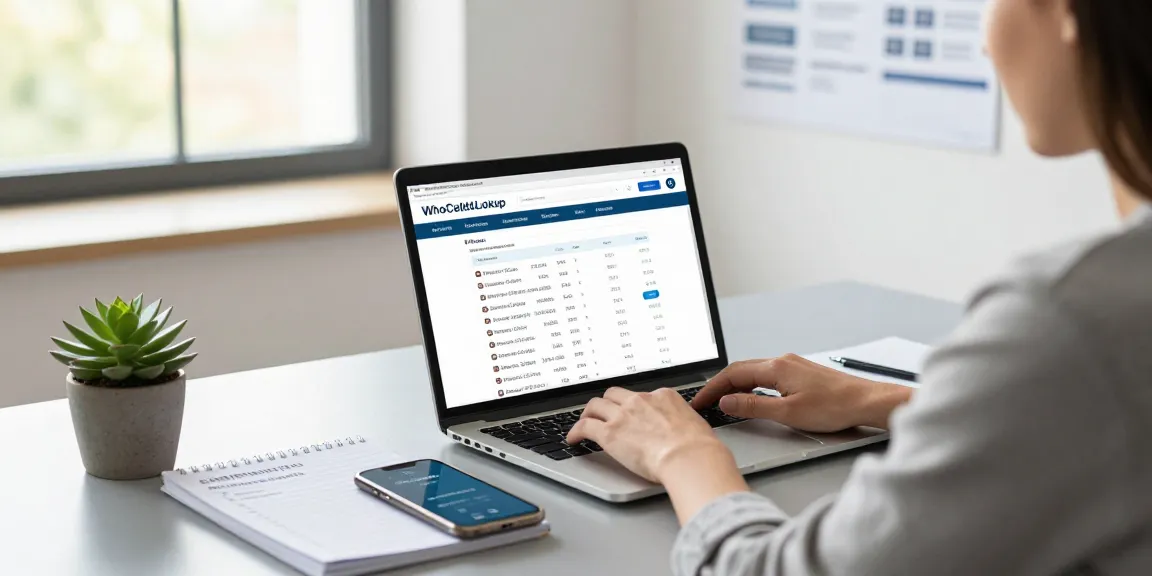
The WhoCalledLookup tool combines official data and live internet checks to provide users with essential information about a phone number. It uses the Ofcom Numbering Data, which is updated weekly, to identify the range holder of any given UK phone number. The system also integrates user-generated data from public forums and scam reporting platforms. When a user enters a phone number, the tool displays the range holder, location, and provides an overall risk score based on user feedback. This combination of official and community-sourced data allows for a thorough understanding of potential risks associated with unknown numbers.
Benefits of Using a Reverse Phone Lookup Service
- Identify Unknown Callers: Quickly ascertain who is calling before deciding to answer or return the call.
- Avoid Scams: Recognize potential scam numbers that could lead to financial loss or identity theft.
- Business Utility: Small businesses can verify customer numbers and avoid spam callers.
- Community Contribution: Users can report their experiences with specific numbers, aiding others in the community.
Common Scams and Fraud Types in the UK
As technology evolves, so does the sophistication of phone scams. Recognizing the signs of these scams is vital for safeguarding personal information and finances. Some prevalent scams have emerged in recent years, each with unique tactics that may catch unsuspecting victims off guard.
Identifying Scam Calls: Major Patterns to Watch
Scammers often employ specific tactics to mislead victims. Here are some major patterns to be aware of:
- Bank Impersonation: Calls claiming to be from your bank, asking for your details or trying to verify transactions. Always hang up and call back using the number on your bank’s official website.
- Tax Scams: Calls claiming to be from HMRC that threaten arrest for unpaid taxes. Remember, HMRC will never threaten legal action over the phone.
- Delivery Fees: Messages or calls requesting immediate payment for parcel delivery fees. Legitimate courier services do not ask for payment via SMS links.
- Technical Support: Scammers impersonating tech support from reputable companies may call claiming your device is compromised.
How to Report and Handle Scam Calls
If you receive a suspicious call, it’s important to take immediate action. Report the number to Action Fraud or your local authorities. Always avoid engaging with the caller, as doing so can confirm your number is active and lead to more scam attempts. For additional security, consider using tools like WhoCalledLookup to validate numbers before returning calls.
Real-world Examples of Common Scam Techniques
Understanding how these scams operate can help individuals recognize potential threats more quickly:
- A caller claims to be from a well-known bank, asking for your account number. In reality, banks never ask for sensitive details over the phone.
- A pre-recorded message warns you of an impending arrest unless you dial a certain number. This is a classic fear tactic used by scammers.
- You receive a call from a number that looks legitimate but leads to high-cost premium lines. Always verify the number before calling back.
Exploring UK Area Codes and Their Significance
The area code can reveal a lot about the caller before you even answer the phone. Understanding these codes can help you make better decisions when faced with unknown numbers.
What Your Area Code Says About the Caller
UK area codes are composed of a series of digits that indicate the geographical location of the phone line. Recognizing the area code can provide hints about the legitimacy of the call. For instance, calls from less populated regions may be more likely to be scams compared to those from well-known urban centers.
How to Use Area Codes in Your Reverse Lookup
When using a reverse phone lookup tool, begin by examining the area code. For example, if the area code belongs to a different region than the caller claims to be from, this may raise a red flag. Tools like WhoCalledLookup offer detailed information about area codes and their associated locations.
Top 20 Most Searched UK Area Codes Explained
Some area codes are more frequently searched due to their association with scam activity or spam calls. Here are the top 20 area codes that users often investigate:
- 020 – London
- 0161 – Manchester
- 0113 – Leeds
- 0121 – Birmingham
- 0131 – Edinburgh
- 0141 – Glasgow
- 0151 – Liverpool
- 01273 – Brighton
- 0191 – Newcastle
- 01792 – Swansea
- 01865 – Oxford
- 01903 – Worthing
- 01202 – Bournemouth
- 01603 – Norwich
- 01733 – Peterborough
- 01905 – Worcester
- 01204 – Bolton
- 01704 – Southport
- 01246 – Chesterfield
- 01536 – Kettering
- 01782 – Stoke-on-Trent
Maximizing the Use of Reverse Phone Lookup Tools
Getting the most out of a reverse phone lookup service requires an understanding of how to effectively navigate these tools. Here’s a step-by-step approach to ensure a thorough search.
Step-by-Step Guide to Using WhoCalledLookup
- Visit the WhoCalledLookup website.
- Enter the unknown phone number in the search bar.
- Review the results, which will include information about the range holder, location, and risk score.
- If necessary, check user comments and reports for more context about the number.
- Decide whether to answer the call, ignore it, or report it as spam.
Best Practices for Verifying Unknown Numbers
While reverse phone lookup tools are powerful, supplementing them with best practices ensures greater security:
- Don’t Engage: If you suspect a number is a scam, do not engage in conversation.
- Use Official Channels: Always verify the number by contacting companies or institutions through official websites or documents.
- Stay Informed: Keep updated on common scams and fraudulent behavior reported in your area.
Additional Resources for Users: FAQs and Guides
Many users may have similar questions regarding reverse phone lookup. Resources such as WhoCalledLookup’s FAQ section and guides can provide further insights and assist individuals in navigating their concerns more effectively.
Future Trends in Phone Lookup Technology
As technology continues to evolve, so does the landscape of phone lookup services. Emerging technologies and trends are shaping the future of how we identify and deal with unknown callers.
Emerging Technologies in Scam Detection for 2026
In 2026, advancements in artificial intelligence and machine learning will likely play a pivotal role in scam detection. These technologies can analyze patterns in calling behavior and user feedback more accurately, leading to improved predictive analytics for identifying potential scams.
How AI is Transforming Phone Lookup Services
AI is revolutionizing how phone lookup services analyze and present data. By utilizing algorithms that understand language and context, AI can provide users with more relevant information, enhancing their decision-making processes when faced with unknown numbers.
Predictions for the Future of Phone Scams in the UK
As awareness increases regarding phone scams, it is expected that scammers will evolve their tactics to become more sophisticated. Future predictions suggest a rise in social engineering tactics where scammers may utilize social media platforms to gather information about their targets.
What to Do If You Still Have Questions?
If individuals still have questions regarding a specific phone number or how to protect themselves from scams, it is advisable to consult resources like WhoCalledLookup, or speak with their network provider for additional support.
How to Stay Safe from Phone Scams in 2026?
Staying vigilant, utilizing reverse phone lookup services, and educating oneself on common scams are essential steps to remain safe in 2026. Regularly updating knowledge on the evolving landscape of telecommunications will ensure a proactive approach against potential scams.
Will Reverse Lookup Tools Evolve Further?
Given the rapid pace of technological advancement, reverse lookup tools are expected to evolve significantly. Future iterations may include enhanced features such as real-time alerts for potentially suspicious calls based on user-defined parameters.